






Skip to content

Independent algae treatment monitoring · fresh and salt water

Ponds and lakes spend thousands a year on algae treatment, and almost nobody checks the bottom afterward. We measure before and after, track progress on a schedule, and tell you plainly whether it's working.

Holding a proposal from a pond company? Get a free second opinion before you sign.Upload it

Get to the bottom of it: your first call goes straight to our scientists, published academic algal-bloom and water-quality experts. 573-WATERDX

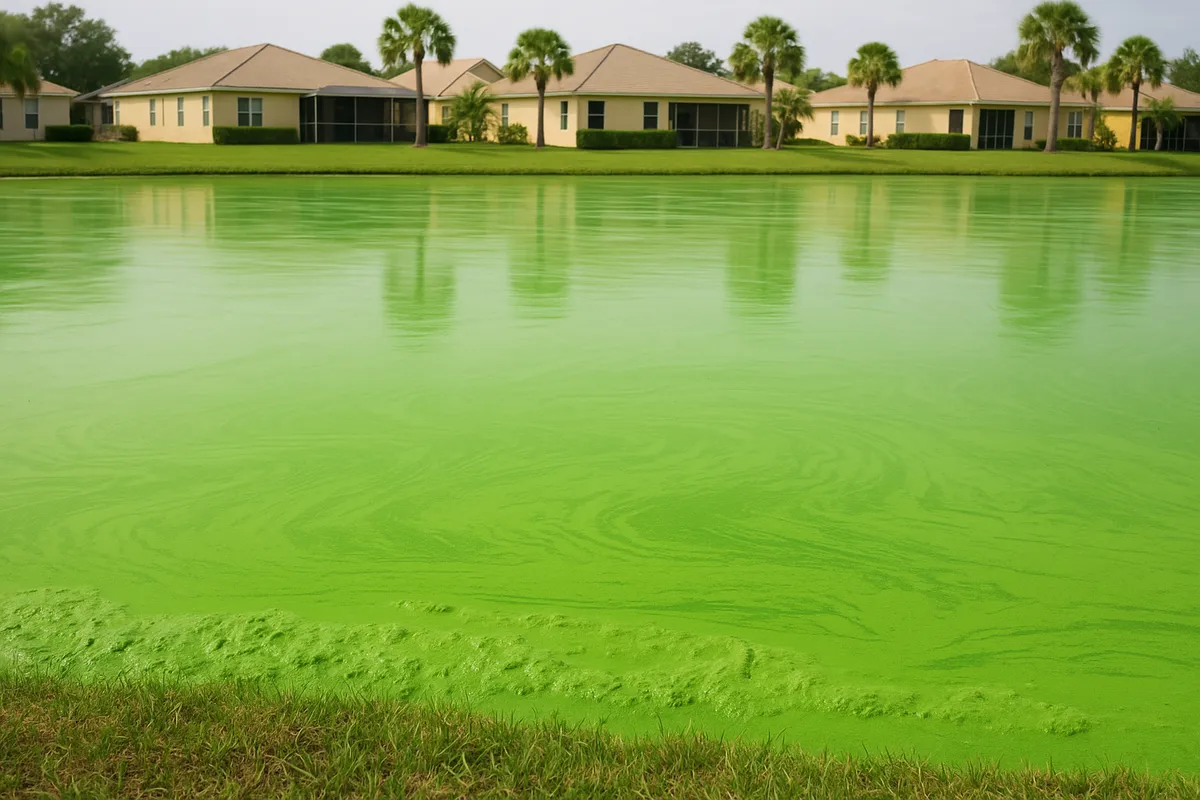
A community stormwater pond covered in bright green blue-green algae scum, with homes and palm trees on the far bank
Fresh water · pond
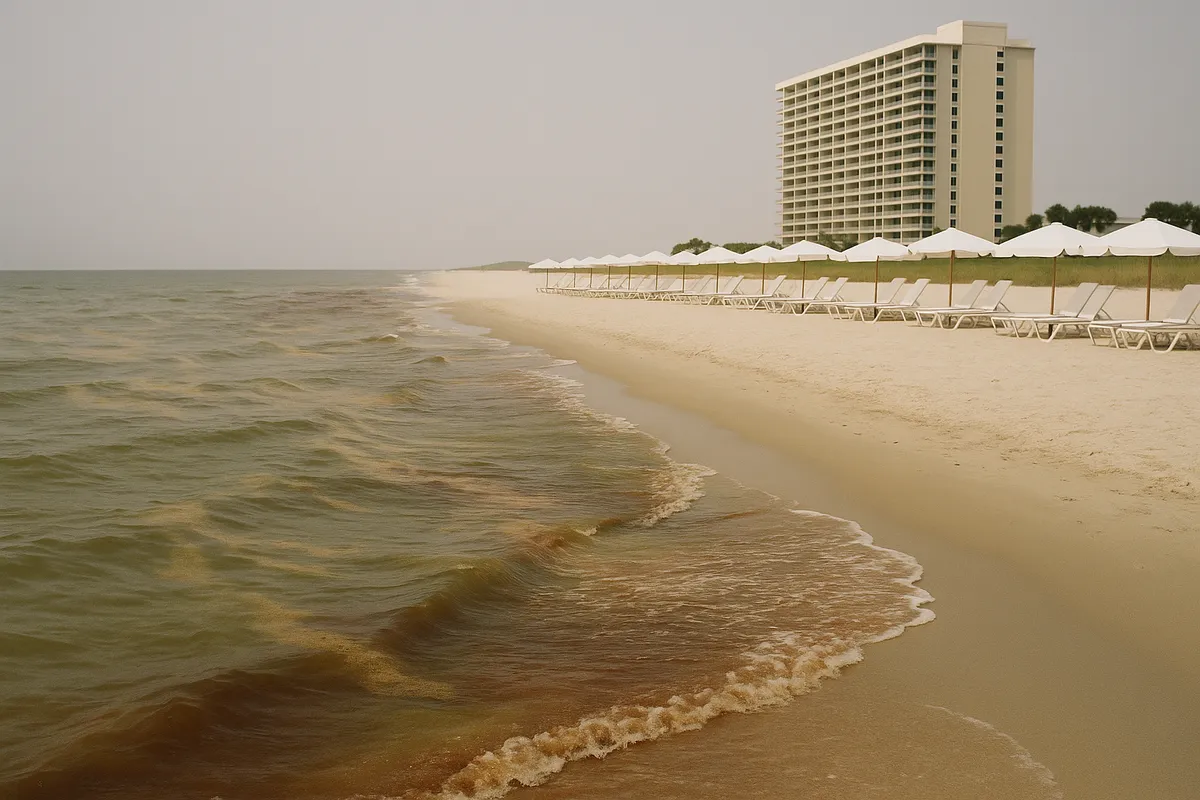
A resort beach with reddish-brown algae bloom in the surf, empty lounge chairs and umbrellas, and a beachfront hotel tower
Salt water · resort beach
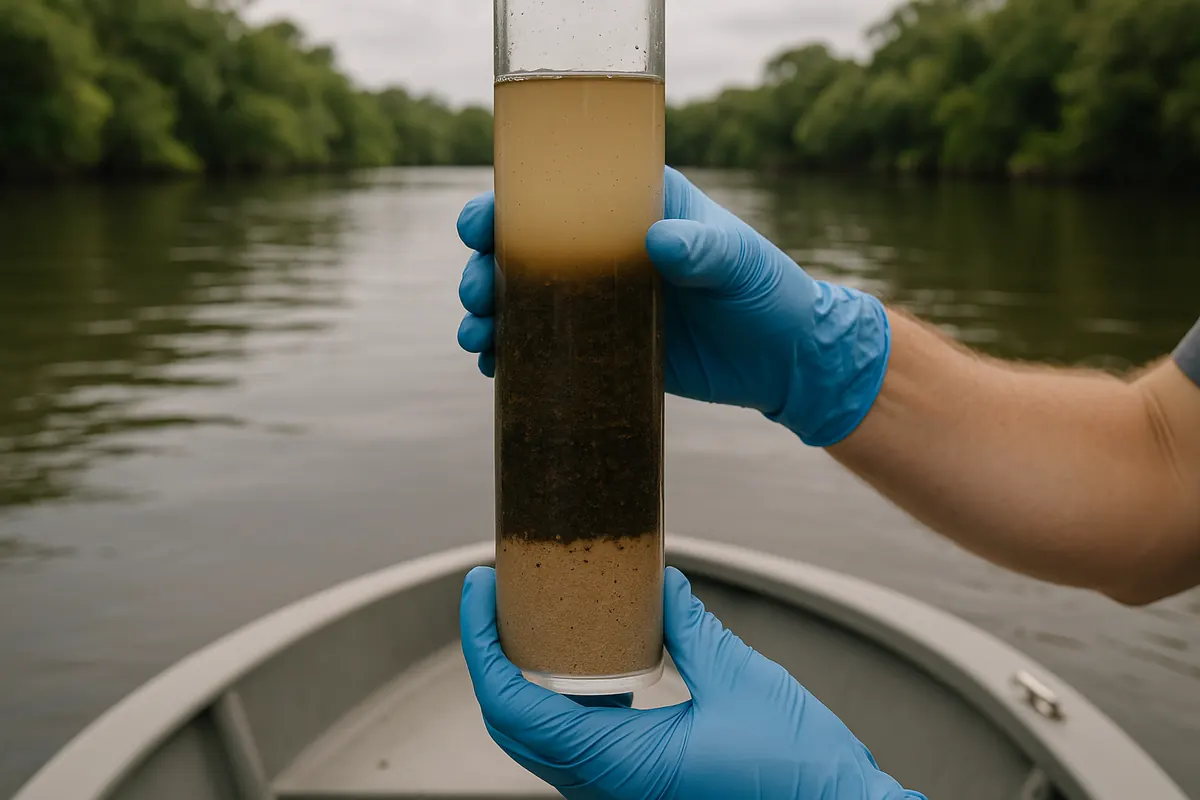
WaterMost testing stops at the water. We also sample the bottom, where nutrients build up and resting algae cells wait to re-seed the next bloom.Sediment
79%of the time, one water sample misread the pond bottom (Thackston et al. 2025). We sample the bottom.
Fresh + saltThe only diagnosis-first algae service built for salt water too.
IndependentWe guide you through working with the right vendor, and take no referral fees.
Treatment monitoring

Already paying for algae treatment? Find out if it's working.

Most treatments are judged by eye, and blooms come and go with the weather on their own. We measure the water and the pond bottom before and after, track progress, and show you the results. We're independent of whoever applies the treatment and take no referral fees, so you keep your vendor and get an honest answer.

  1. Baseline before treatmentWater, bottom-water oxygen, algae, and how much phosphorus the bottom is releasing.
  2. Track it on a scheduleFollow-up samples at set intervals, with satellite or drone checks in between.
  3. Compare against the weatherYour water's own history or an untreated pond, so a cool week doesn't get the credit.
  4. A plain verdictWorking, not working, or wearing off, with a goal that has a number and a date.

Our founders' university research has been funded by harmful algal bloom programs at

No endorsement implied.
  • U.S. Environmental Protection Agency
  • NOAA, National Oceanic and Atmospheric Administration
  • Florida Department of Environmental Protection
  • NASA
  • U.S. National Science Foundation
  • South Florida Water Management District
  • Florida Fish and Wildlife Conservation Commission

Three ways to work with us

Start free. Go deeper when it's worth it.

Free · Satellite screen

See where it stands

$0

  • Your water's satellite history
  • Bloom risk vs. its own normal
  • Ponds and lakes 1 acre and up
Get a free read
Tier 1 · One pond

Pond Health Check

$179 or $299/yr with one extra checkup

  • 14 lab measurements: water, bottom and algae
  • A ranked plan with costs, a call with a scientist, and introductions to local vendors
  • Optional toxin test, +$89 (freshwater)
Call or email to order
Custom · On site

A program for your site

Quoted per site Golf courses, resorts, multi-pond communities, agencies

  • Our team samples on site
  • Treatment map and timeline
  • Monitoring and proof it worked
Get a quote

Pond Health Check guarantee: Clear answer or your money back — if we can't tell you what's driving it, you get your money back.Details

Before the next treatment

Adding copper is making your pond toxic.

Copper algaecide clears the water for a few weeks. The nutrients that grew the algae stay, the bloom comes back, and each round leaves more copper behind.

It builds up in the bottom.

Copper is a metal. It never breaks down, so every dose settles into the mud and stays there (NPIC).

It poisons more than algae.

It is toxic to fish and the small animals they eat, and the dying algae can strip the water of oxygen (Texas A&M AgriLife).

It can release algae toxins.

Killing a blue-green bloom breaks the cells open and spills their toxins into the water, even as it clears (WHO).

Free · Second opinion

Holding a proposal from a pond or lake company? Get a second opinion before you sign.

Upload the proposal or quote. A WaterDx scientist reads it and follows up by email or phone with what holds up, what's missing, and what to ask your vendor. It's free, and you don't have to change vendors.

  1. Does it diagnose before it treats?A stated cause, backed by data, not just a service menu.
  2. Does it target the real source?Runoff, the bottom, or still water each need a different fix.
  3. Are the dose and the cost sensible?What's applied, how often, and the three-to-five-year total.
  4. How will you know it worked?A baseline, follow-up measurements, and a goal with a number and a date.

How we find the fix

We model your water, then pull the levers.

Every recommendation comes from our own models of how ponds, lakes and coastal water work, developed and field-tested over years of published research, and calibrated to your water with real measurements. A scientist reviews every result. Software and AI take care of the routine work, which is why it's over 10× cheaper and faster than a traditional consulting study.

A clear sediment core held up over a boat: murky water above dark organic sediment and sand
Service tier01 Measure02 Model03 Pull the levers04 Prescribe & verify
Free satellite screen$0 · self-serveSatellite history of your water, plus rainfall and weatherAutomated screening against your water's own normalNot includedA preliminary read and a next step; a scientist follows up
Pond Health Check$179 · one pondWater and pond-bottom samples you collect with our kit14 lab results read for the cause: what's feeding the algae (the bottom, runoff or both), the nutrient driving it, and a trophic score, compared with healthy ponds like yoursCommon fixes checked against your resultsA ranked, plain-English plan and a call with a scientist
Custom programsQuoted per siteOur team finds the cause on site; drone, satellite and sensor checksOur proprietary model of your water body, calibrated to your siteEvery fix tried on the model before anyone spends moneyA treatment map, a schedule around your calendar, and proof it worked

Pull the levers

An example water body where the sediment supplies most of the nutrients. Change the levers and see what three weeks of algae would do. It rises every afternoon and falls overnight.

Cut what the sediment releases bed treatment, oxygen

Intercept runoff buffers, stormwater capture

Flushing circulation, exchange

No change after three weeks, vs. doing nothing

TodayWeek 1Week 2Week 3Algae

With your levers Doing nothing

A simplified run of the kind of model we calibrate to every site, with generic settings: an illustration, not a forecast for your water. Here the bed feeds the bloom, so cutting what the sediment releases does far more than intercepting runoff. On your site, measurements decide which lever matters.

Free · Satellite screen

See where your water stands, from space.

Trace your water on a map. In a few minutes you get a preliminary read by email: how healthy it looks, a map of its worst bloom day, whether the problem seems to come from the bottom or from runoff, and the next step. A scientist then follows up.

Tier 1 · Pond Health Check · $179

A clear plan for your pond, built on real measurements.

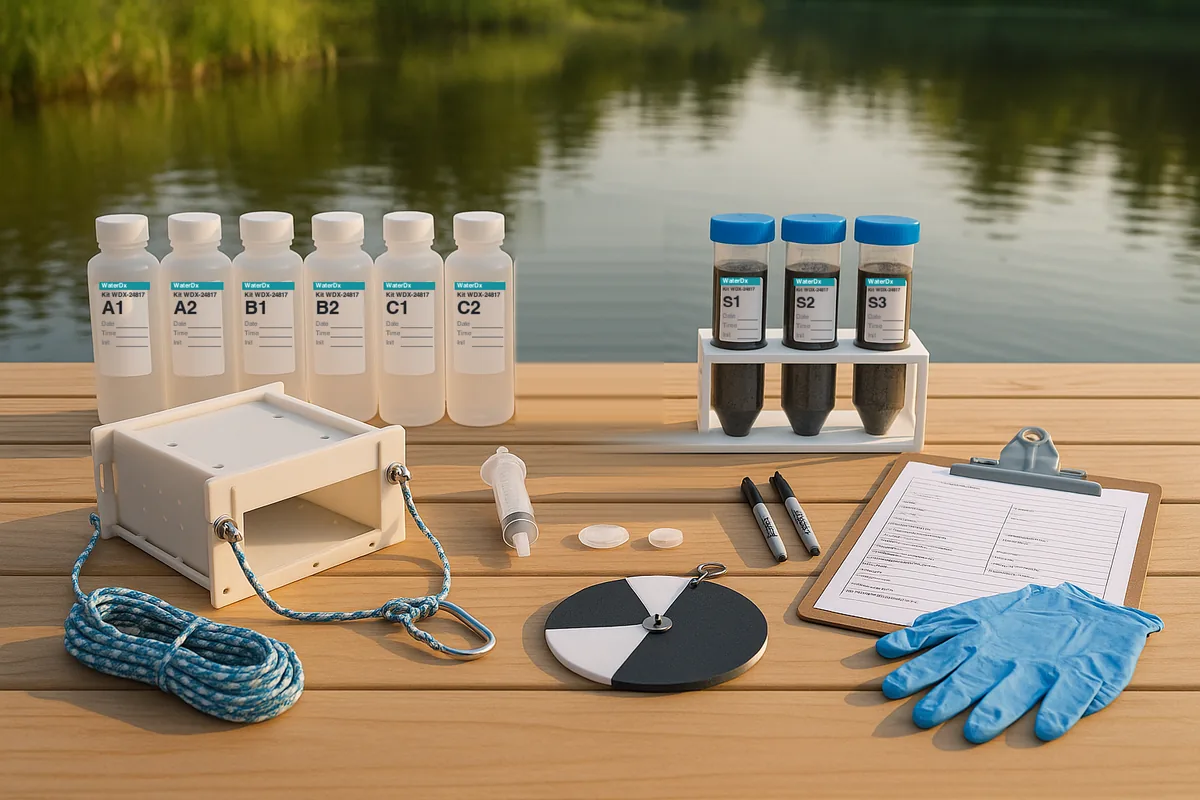
We mail you a kit. You sample from the bank in about 20 minutes, including a throw sampler that pulls up the bottom from out in the pond. Our lab runs 14 measurements on your water, the bottom and the algae, and a scientist calls you with a ranked plan and the reasons behind it. No site visit.

The Pond Health Check kit: six water bottles A1 to C2 and three sediment tubes S1 to S3, each labeled with the kit number and date, time and initials lines; the flat-pack throw sampler with its line and bridle; a syringe with no needle; disposable filters; a weighted Secchi disk; markers; the collection sheet; gloves
AI enhanced. Kit contents subject to change.

What you get back: a plan, not a printout.

  1. Your plan, on a map of your pondEach step with who does it, what it costs, what it buys, and a button to connect with local vendors.
  2. Your options, comparedEvery fix and combination we modeled for your pond: what it costs, and how much it cuts your algae.
  3. Why this planWhat's feeding the bloom, step by step, and how sure we are.
  4. Three lines of evidenceYour satellite history, this year's weather, and your lab results, side by side.
  5. What's driving it, rankedThe bottom, runoff, fertilizer: how much each one matters.
  6. Every resultEach measurement against the healthy range for ponds like yours, flagged like a medical lab report.
From the example: cost vs. result. Every fix and combination modeled for the pond, and the best-value line through them.
↑ above the dashed line: healthy rangeDredging: $30–60k, off the chart →$0k$2.5k$5k$7.5k$10k0%25%50%75%100%5-year cost →cuts summer algae by →Free stepsRunoff stepsAlum aloneAeration ★Aeration + alum ●+ lanthanum clayCopper (today)

$179, one pond, no subscription.

Clear answer or your money back — if we can't tell you what's driving it, you get your money back. Guarantee details

Kits ship to the 50 U.S. states, Puerto Rico, the U.S. Virgin Islands and the Caribbean, and come back by prepaid USPS Priority Mail Express. The toxin test (microcystin, anatoxin, cylindrospermopsin) is freshwater only.

Custom programs · quoted per site

Whole properties get an on-site program.

For golf courses, resorts, communities with a chain of ponds, saltwater beaches and public agencies. Scoped on a call and quoted up front. A scientist calls you back within 1 business day.

Also welcome: water and power utilities, aquaculture farms, industrial sites, environmental consultants.

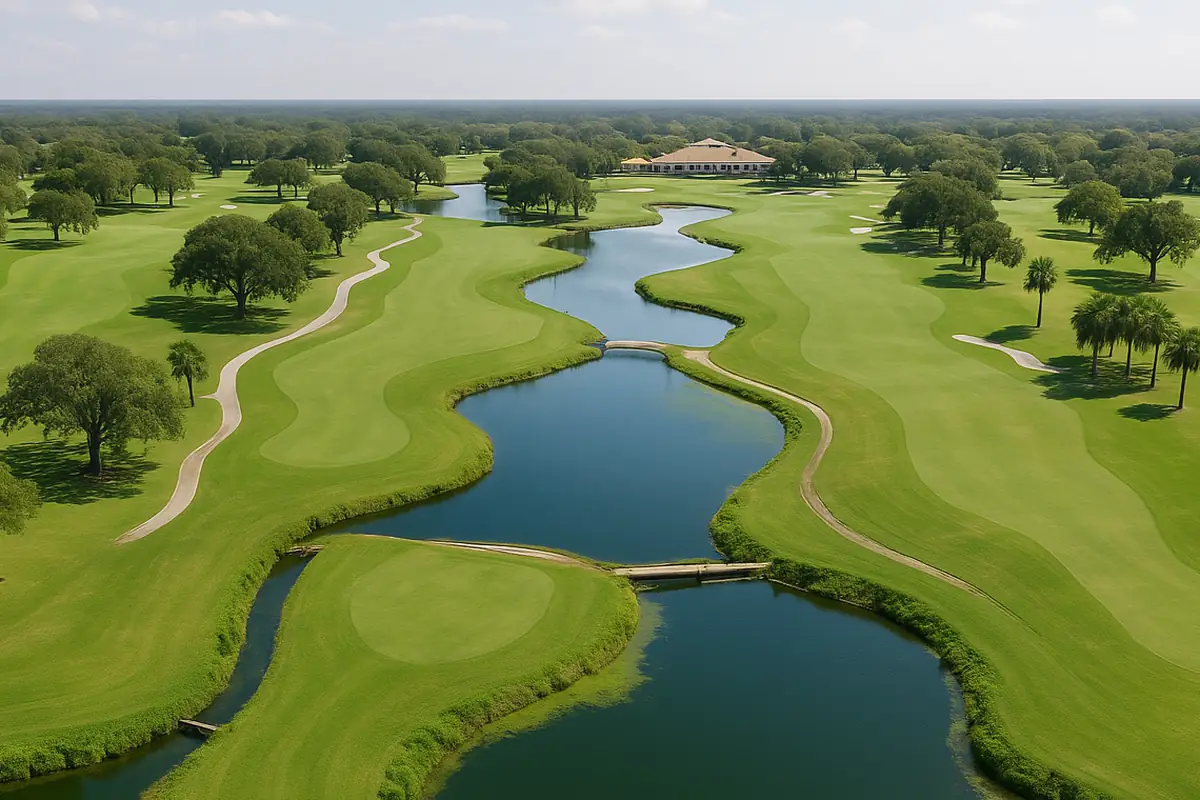
Aerial view of a golf course with a chain of connected ponds winding between the fairways
Zone AZone BZone CZone DZone EControluntreatedInflow
Needs treatment: least Some Most Left untreated, to compare Sampling spot
FindThe real cause

Our team works on site and pins down what's feeding the algae, and where.

PlanA treatment map

Treatment goes only where it's needed, with an untreated area to compare against.

ScheduleAround your calendar

One pond first, then the rest, in your quiet weeks. You approve each step.

ProveProof it worked

Drone and satellite checks, before and after, in a portal you can see.

Program schedule, year 1Example: golf resort, 6 ponds, starting in MayMayJunJulAugSepOctNovDecJanFebMarAprTournamentHoliday weekPeak season: no work on the waterSite calendarevents, peak season, approvals1 Site assessmentall 6 ponds, inflows, past treatmentsAssessment report + costed treatment plan2 Pilot treatmentworst pond vs. an untreated pondPilot results + recommendation3 Full treatment3 rounds, early morningsPermitsTreatment log + before/after results4 Monitoringmonthly drone + satellite checksMonthly status report5 Long-term solutione.g. aeration or inflow changesDesign + contractor quotesTreatment (early mornings, open weeks)No work on the waterPermit lead timeDeliverableBoard vote (go / no-go)
Example schedule. Work is planned around the site calendar: crews treat early mornings in open weeks, stay off the water during events and peak season, and each phase starts only after a board vote.

Schematic examples; yours come from your site's measurements.

Case study · Custom program, our top tier

A resort's saltwater beach, diagnosed and cleared.

Clear for years, then brown-green in February 2026. Our team sampled the water and the bottom, found the driver, and timed three treatments (circulation improvements and nutrient reduction) with the resort. We don't name clients.

~15 weeksFirst call to clear water
+2.6σOff its normal color in Feb; a nearby basin: −0.7σ
7.7 → 0.0Algae in the water, before vs. September
9% → 0%Algae on the floor, before vs. September

What the drone saw, flight by flight.

Algae in the waterAlgae on the floor, % of areaTreatments 1–3

Water algae fell after Treatments 1 and 2. With clearer water, algae began growing on the floor, and Treatment 3 kept it away.

“Thank you for all the work you've put in with us. The improvement since my visit last week is clear, and we want to keep the momentum going. Our neighbors are fighting the same problem; I'd happily point them your way.”

— Environmental lead, a major hospitality client (paraphrased)
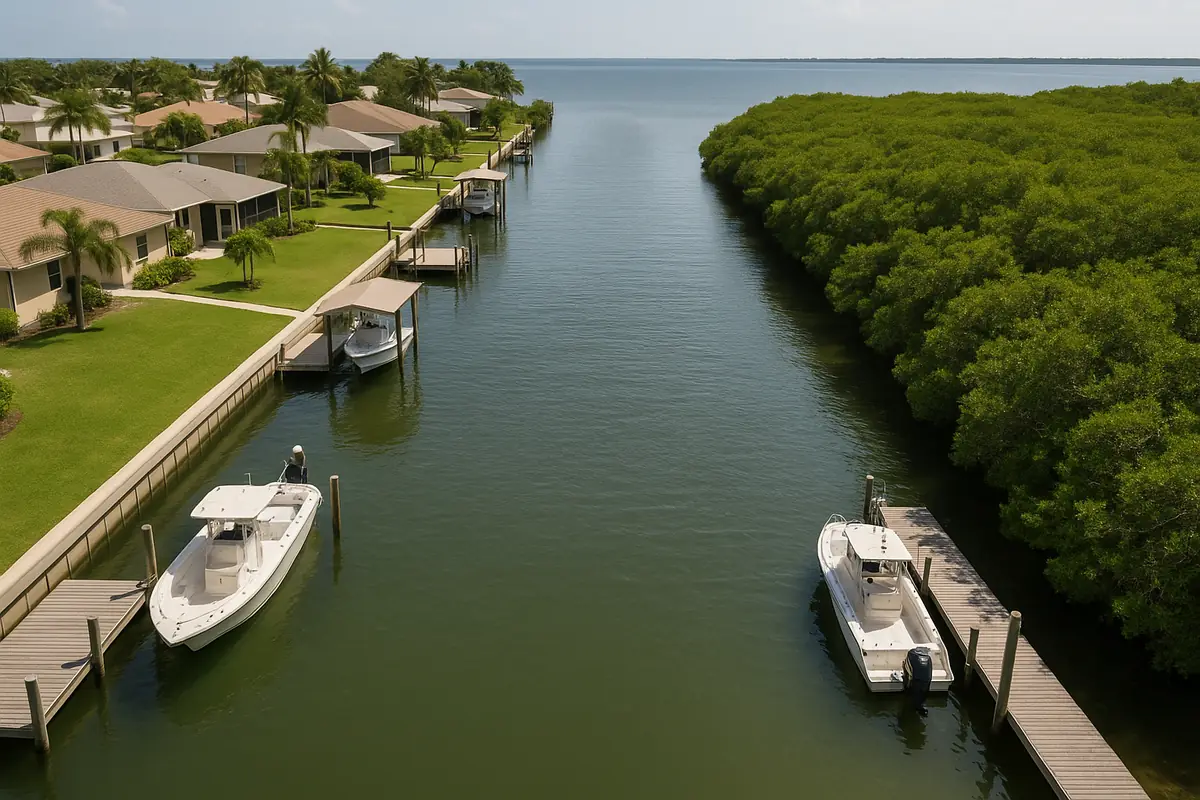
Aerial view of a saltwater residential canal with seawalls, boat docks and mangroves, opening to a bay

Fresh and salt water

The only diagnosis-first algae service built for salt water too.

Most bloom fixes were developed for freshwater lakes, and they often fail in saltwater canals, marinas and beaches. Our research spans both, from Lake Okeechobee to the Gulf coast.

The bottom gives up more phosphorus.

Seawater sulfate frees phosphorus held in the sediment (Caraco et al. 1989).

Nitrogen is often the limit.

A phosphorus-only plan can miss the lever (Conley et al. 2009).

Copper harms marine life.

Algaecides are toxic to coral and shellfish larvae (e.g. mussels).

Our story

We got tired of watching people pay for snake oil.

Algae products sold with little evidence. Almost no clear guidance on treating water, least of all salt water. And the sediment, often the biggest nutrient source, ignored.

We've spent decades running public research programs on exactly these problems. Our founders' university research has been funded by harmful algal bloom programs at EPA, NOAA, NASA, NSF and the State of Florida. No endorsement implied. WaterDx brings that science to the private sector.
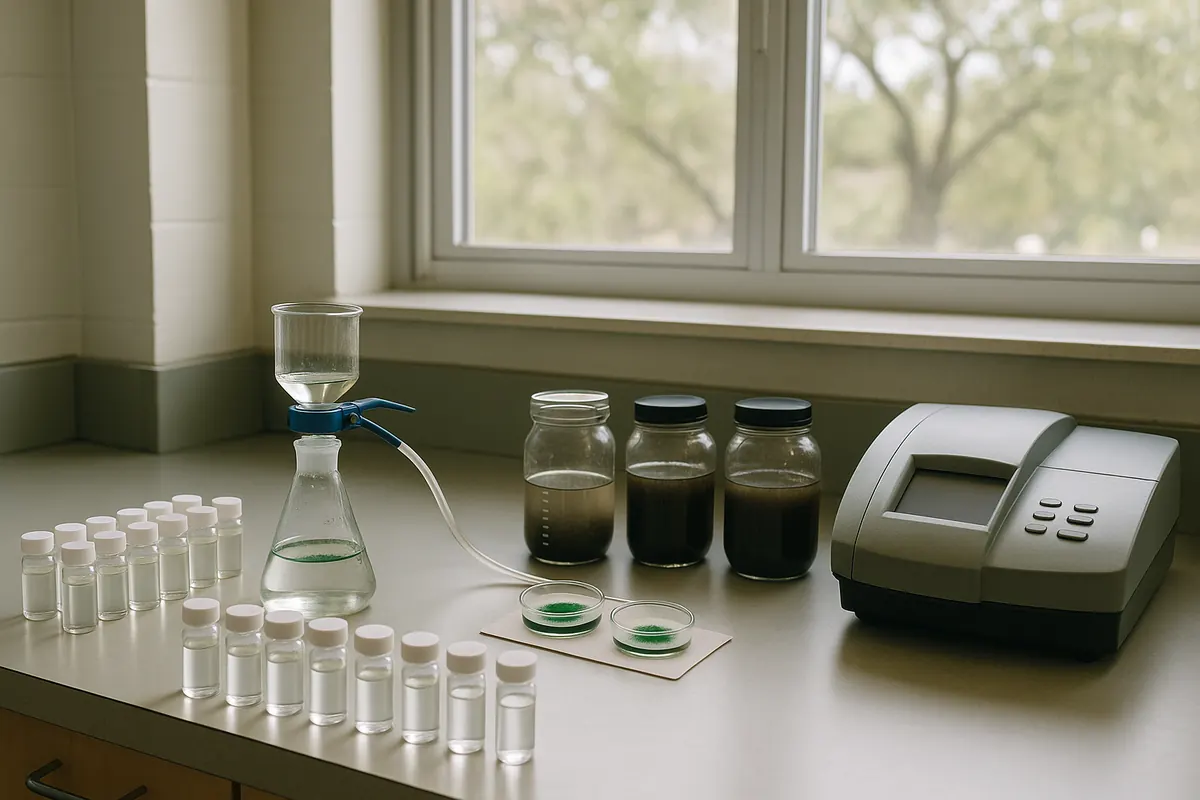

A water-quality lab bench with sample vials, a filtration setup with green algae filters, sediment jars and a spectrophotometer

Who you're working with

The scientists who answer your call.

Jordon Beckler

Jordon Beckler, PhD

Co-founder & CEO

Twelve years understanding, monitoring and modeling harmful algal blooms, first as a postdoctoral researcher and now as Associate Research Professor at FAU Harbor Branch Oceanographic Institute.

Mason Thackston

Mason Thackston, M.S.

Co-founder & CTO

Six years studying some of the most complicated blooms anywhere, on Lake Okeechobee, for his M.S. and Ph.D., and developing new technologies to monitor them. Lead author of the peer-reviewed sediment studies behind our technology.

Questions

Which option fits me?

One pond you look after yourself: the free read, then the $179 Pond Health Check. A whole property, a chain of ponds, a saltwater beach or a public water body: a custom program, quoted per site.

Is this just AI?

No. It runs on our own models of how ponds and coastal water work, built and field-tested in our published research and calibrated with your measurements. AI handles routine work; a scientist reviews every result.

How do I order?

Call or email us. For now every order and quote goes through a scientist first.

Do I have to fire my pond company?

No. We can work alongside them: we tell you what to ask for and when, and check that it worked. Holding their proposal? Get a free second opinion on it.

Who does the treatment work?

A vendor you choose. We help you pick one that fits your cause, set the timing, check the result, and take no referral fees.

Does the free read work on my pond?

On water about 1 acre and up. Smaller than that, start with the Pond Health Check.

Do you test for algae toxins?

Yes, as a +$89 add-on for freshwater ponds: microcystin, anatoxin and cylindrospermopsin.

What if you can't tell me what's wrong?

With the Pond Health Check: Clear answer or your money back — if we can't tell you what's driving it, you get your money back. Details.

More questions and answers →

Reach us directly

Talk to a scientist.

No call center, no sales rep. Thirty minutes with a scientist, no obligation. Orders and quotes too.

Call the WaterDx line573-WATERDX(573) 928-3739
Text a photo of your pond to (573) 928-3739 (573-WATERDX) for a free read.

By texting us, you agree to receive replies from Sediment Technologies LLC (waterDX) about your request. Msg frequency varies. Msg & data rates may apply. Reply STOP to opt out, HELP for help. SMS program details · Privacy Policy · Terms

or email [email protected]

Book a 30-minute video call